
Involved universities
.png)


Aims and scope
The advent of quantum computing is going to revolutionize computer science as we know it. The “quantum era” is right around the corner and promises to impact program computation to the point that it might even be possible to solve NP-complete problems. All major software companies, from IBM to Google, and others, are investing hundreds of billion dollars to define novel hardware and software instruments to reach quantum supremacy and embrace the change. However, large scale pure quantum software systems are far to come yet, so there is a growing interest in developing hybrid Quantum Based software Systems (QBSs), where quantum components are integrated in traditional software applications. Still, the development of QBSs remains challenging for a variety of reasons. The lack of multidisciplinary skills, the primordial programming language support, the absence of integrated development environments, or the lack of a development community are just some of the reasons why there is an increasing interest in the emerging research area of quantum software engineering, that is, the definition of methods, practices, and tools to support the development of QBSs.
The QUASAR (QUAntum software engineering for Secure, Affordable, and Reliable systems) project aims at developing novel methods and instruments that enable quantum software engineering. We specifically target three key aspects connected to the architecture, quality, and reliability of QBSs. More specifically, QUASAR aims to:
- provide methodologies, techniques, and tools that support the design and modeling of QBSs, also supporting non-expert designers and developers in the creation of QBSs;
- define reference taxonomies to characterize the quality of QBSs and provide semi-automated support for the detection and removal of quality problems, in particular related to maintainability and security;
- develop verification & validation techniques, including approaches to detect, mitigate, and analyze the risks of failures and vulnerabilities in QBSs.
Project leaders
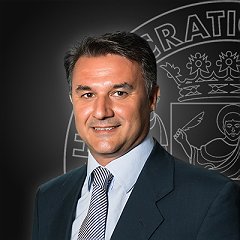
Andrea
De Lucia
Full Professor
University of Salerno
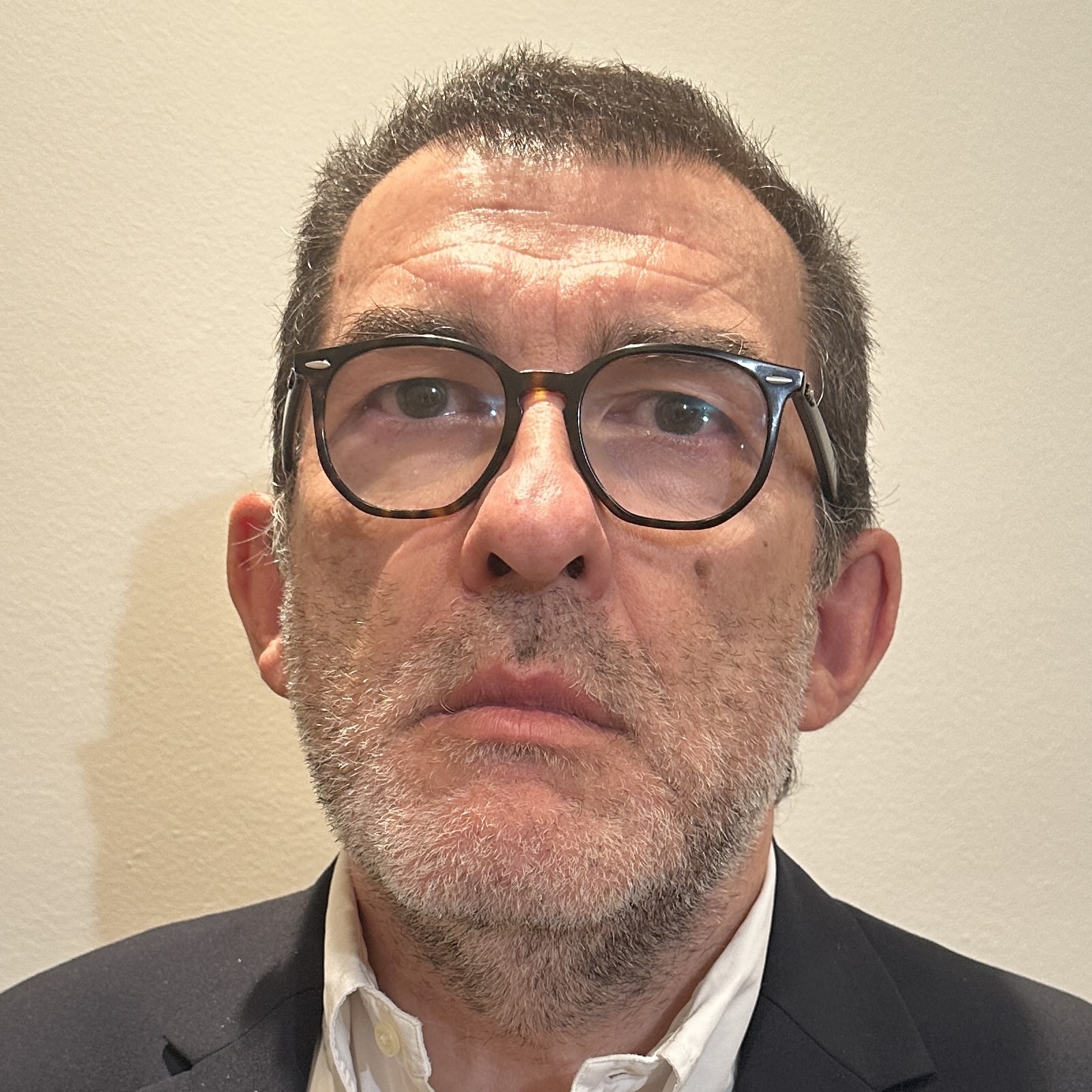
Luciano
Baresi
Full Professor
Politecnico di Milano
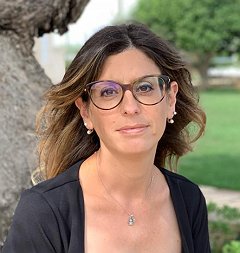
Maria Teresa Baldassarre
Associate professorUniversità degli Studi di Bari Aldo Moro
Project Team
Università degli Studi di Salerno (UNISA)
- Andrea De Lucia — Full Professor
- Filomena Ferrucci — Full Professor
- Fabio Palomba — Associate Professor
- Dario Di Nucci — Associate Professor
- Stefano Lambiase — Postdoc (2024–2025); Assistant Professor (2025–Present)
- Fabiano Pecorelli — Postdoc (2024); Associate Professor (2024–Present)
- Antonio Trovato — PhD Student
- Manuel De Stefano — PhD Student
Università degli Studi di Bari Aldo Moro (UNIBA)
- Maria Teresa Baldassarre — Associate professor
- Danilo Caivano — Full professor
- Vita Barletta — Assistant Professor
- Michele Scalera — Assistant Professor
- Alberto Cesar Cavalcanti Franca — Postdoc
Politecnico di Milano (POLIMI)
- Luciano Baresi — Full Professor
- Elisabetta Di Nitto — Full Professor
- Gianpaolo Saverio Cugola — Full Professor
- Alessandro Margara — Associate Professor
- Livia Lestingi — Assistant Professor
- Simone Reale — PhD Student
- Davide Yi Xian Hu — PhD Student